
Choosing the right CNC machine shop can significantly impact the quality, cost, and success of your manufacturing project. Whether you require custom-machined components, prototype development, production machining, or precision-engineered parts, partnering with an experienced machining company ensures reliable results and long-term value.
Today’s manufacturing industry relies heavily on CNC machining to produce highly accurate components for sectors such as aerospace, automotive, medical, industrial equipment, construction, and energy. However, not all machine shops offer the same level of expertise, technology, quality control, or production capabilities.
Selecting the wrong machining partner can lead to missed deadlines, inconsistent part quality, increased production costs, and costly project delays.
In this guide, we’ll explore the five most important factors to evaluate when hiring a CNC machine shop and how to identify a trusted manufacturing partner that can meet your project’s requirements.
Why Choosing the Right CNC Machine Shop Matters
Modern manufacturing requires precision, consistency, and efficiency. A qualified CNC machine shop provides more than machining services—it becomes a valuable production partner that helps optimize designs, improve manufacturability, and maintain quality throughout the manufacturing process.
The right machine shop can help you:
Before selecting a machining provider, carefully evaluate their capabilities in the following key areas.
One of the most important factors when choosing a CNC machine shop is experience.
A shop with extensive machining expertise understands the challenges associated with different industries, materials, and production requirements.
Look for a company that has experience manufacturing components for industries such as:
An experienced CNC machine shop can identify potential production challenges early and recommend solutions that improve efficiency and reduce costs.
The quality of machined parts is directly influenced by the equipment used during production.
Modern CNC machine shops invest in advanced machinery to achieve higher precision, faster turnaround times, and greater manufacturing flexibility.
Look for facilities equipped with:
A CNC machine shop utilizing modern equipment can often produce parts faster and with greater consistency than facilities relying on outdated machinery.
Quality assurance should be a top priority when evaluating any machining company.
Even the most advanced CNC machines require robust quality control systems to ensure parts meet design specifications.
A professional CNC machine shop should have documented inspection procedures that include:
Look for shops that utilize:
Strong quality control procedures reduce defects, improve consistency, and help prevent costly rework.
Meeting project deadlines is critical in today’s competitive manufacturing environment.
Before hiring a CNC machine shop, evaluate its ability to handle your production requirements.
Consider the following:
A reliable machine shop should have the equipment, workforce, and operational systems necessary to maintain consistent production schedules.
Strong communication is often overlooked when selecting a machining partner.
The best CNC machine shops prioritize transparency and collaboration throughout the project lifecycle.
Effective communication helps ensure:
Look for a company that provides:
A machining partner that values communication can help prevent costly delays and improve overall project outcomes.
Benefits of Working with a Local CNC Machine Shop
Many manufacturers prefer working with a local CNC machine shop because of the advantages it offers.
For businesses seeking CNC machines Vancouver services, local machining providers often deliver:
A trusted CNC machine shop in Vancouver can provide both technical expertise and operational convenience.
Common Mistakes to Avoid When Hiring a Machine Shop
Many businesses focus only on pricing when evaluating machining suppliers.
This can lead to costly mistakes.
Avoid selecting a machine shop based solely on:
A slightly higher investment in an experienced CNC machine shop often results in better quality, improved reliability, and lower long-term costs.
Frequently Asked Questions
A CNC machine shop uses computer-controlled equipment to manufacture precision components from metal, plastic, and other materials according to customer specifications.
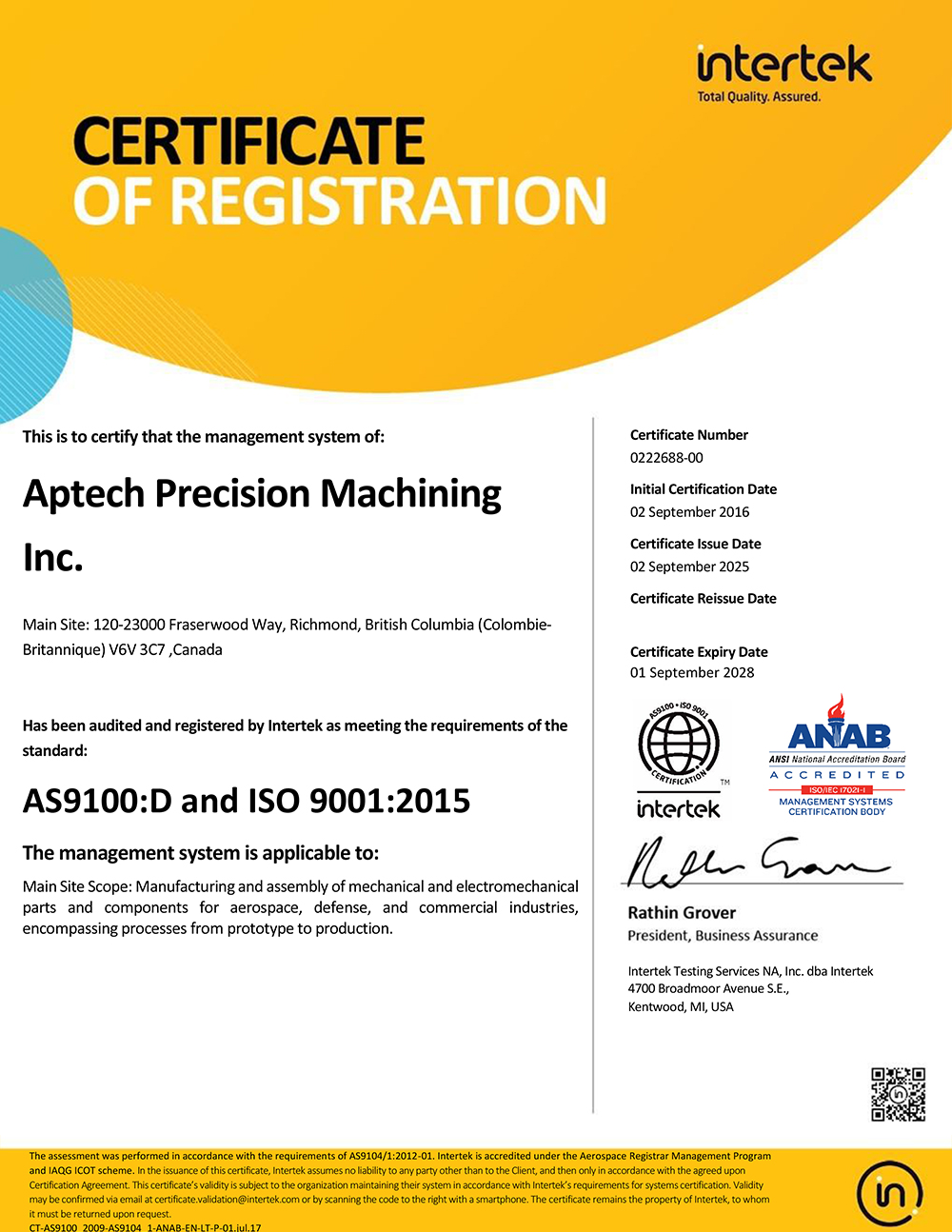
Evaluate their experience, equipment, quality control systems, certifications, customer reviews, and production capabilities.
Quality control ensures parts meet dimensional requirements, reduces defects, and maintains consistency throughout production.
What industries use CNC machining services?
 Controlled Goods Program Certified
 We would be pleased to provide a free quotation